

Blog
What Is a Chinese Seal Stamp and Why Is It Still Meaningful Today?

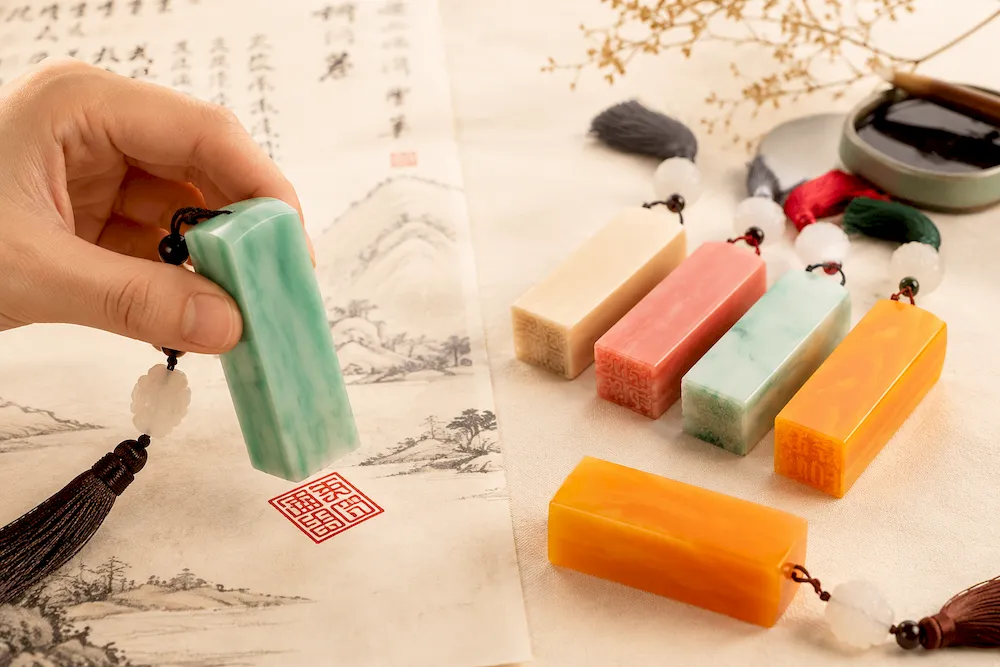
A Chinese seal stamp is more than a tool for marking paper. It is a personal symbol, an artistic signature, and a small piece of cultural history. For centuries, Chinese seal stamps have been used by emperors, scholars, artists, collectors, business owners, and ordinary people. Even today, they remain meaningful for people who love calligraphy, painting, stationery, traditional culture, and personalized gifts.
In a world where most signatures are typed, scanned, or completed with a digital click, a Chinese seal stamp offers something different. It feels personal, physical, and timeless. Every stamp carries a name, a message, or an identity. Every red impression leaves a mark that feels intentional and memorable.
What Is a Chinese Seal Stamp?
A Chinese seal stamp is a carved stamp used to create an impression on paper, artwork, documents, or personal items. It is usually made from stone, jade-style material, wood, metal, or other carving materials. The bottom of the seal is engraved with characters, names, symbols, or custom designs.
When the seal is pressed into red seal paste or ink and then stamped onto paper, it creates a unique red mark. This mark can represent a person’s name, an artist’s signature, a studio name, a blessing, or a meaningful phrase.
Chinese seal stamps are also often called:
- Chinese name seals
- Chinese chop seals
- Stone chop stamps
- Personal seal stamps
- Artist signature seals
- Chinese calligraphy seals
The word “chop” is commonly used in English to describe seals used in Chinese and East Asian traditions. A “Chinese chop seal” usually refers to a carved stamp used as a personal or official mark.
A Brief History of Chinese Seal Stamps
Chinese seal stamps have a very long history. They were used in ancient China as a way to show identity, authority, and ownership. In earlier times, officials and rulers used seals to approve documents, send orders, and show power. A seal impression could carry great importance because it proved that a message or document came from the right person.
Over time, seals also became common among scholars, artists, poets, and collectors. A painter might use a seal on a finished artwork. A calligrapher might stamp a name seal beside a brush-written poem. A collector might add a seal to show ownership or appreciation of a piece of art.
This is why Chinese seals are connected not only with administration, but also with literature, painting, calligraphy, and personal expression.
Why Are Chinese Seal Stamps Usually Red?
One of the most recognizable features of a Chinese seal stamp is the red impression. The red color usually comes from traditional seal paste or ink. In Chinese culture, red is often connected with luck, joy, celebration, and positive energy.
On white paper or ink painting, a red seal creates a strong visual contrast. It adds balance, focus, and emotion to the artwork. In many Chinese paintings and calligraphy works, the red seal is not just a signature. It is part of the composition.
A small red seal can make a piece of art feel complete.
Common Types of Chinese Seal Stamps
Chinese seal stamps can be made for many different purposes. Some are formal, while others are personal or decorative.
Personal Name Seals
A personal name seal usually contains a person’s name. It can be made with Chinese characters, an English name, initials, or a combination of English and Chinese. This is one of the most popular types of custom Chinese seal stamps today.
People use personal name seals for:
- Calligraphy
- Painting
- Journaling
- Letters
- Gift cards
- Bookplates
- Personal collections
- Decorative stationery
A custom name seal is meaningful because it turns a person’s name into a visual symbol.
Artist Signature Seals
Artists often use seals as part of their signature. In Chinese painting and calligraphy, a seal can express the artist’s identity, mood, studio name, or personal philosophy.
An artist may use more than one seal on a single work. For example, one seal may show the artist’s name, while another may show a meaningful phrase.
Studio or Collection Seals
Some seals are used to represent a studio, room, collection, or creative space. A writer, painter, or collector might use a studio seal as a personal brand mark.
This type of seal can feel very elegant and poetic. It is especially suitable for people who want something more artistic than a regular name stamp.
Gift and Keepsake Seals
Today, many people buy Chinese seal stamps as personalized gifts. A custom seal can be made for a birthday, wedding, graduation, anniversary, or cultural gift.
Because the seal is made with a person’s name or special text, it feels more thoughtful than a common gift. It is small, beautiful, and easy to keep for many years.
Popular Materials for Chinese Seal Stamps
Traditional Chinese seals are often made from stone. Stone has a natural beauty and a solid feeling in the hand. It also gives the product a sense of permanence.
Common materials and styles include:
Stone Seals
Stone is one of the most classic materials for Chinese seal stamps. It can have different colors, textures, and patterns. Some stones look simple and clean, while others have natural grain or cloud-like markings.
Jade-Style Seals
Jade-style seal stamps are popular because of their soft color and elegant appearance. Green, white, mint, amber, and coral tones can all create a beautiful gift-like feeling.
Wood Seals
Wood seals can feel warm and natural. They are usually lighter than stone seals and may have a more casual or handmade look.
Decorative Seal Sets
Some seal stamps come with tassels, storage pouches, ink pads, or wooden gift boxes. These details make the seal feel more complete and suitable for gifting.
What Can You Customize on a Chinese Seal Stamp?
One reason Chinese seal stamps remain popular today is that they are highly customizable. A customer can create a seal that feels personal and unique.
Common customization options include:
- Name or text
- Chinese characters
- English name
- Initials
- Font style
- Seal size
- Seal color
- Positive or negative engraving style
- Tassel color
- Gift packaging
- Logo or simple artwork
For the clearest result, short text usually works best. Chinese characters are very suitable for seal design because they can be arranged beautifully inside a square or rectangular space. English names can also be used, especially when designed in a stamp-friendly layout.
Positive and Negative Seal Styles
Chinese seal impressions often come in two main visual styles.
Red Text on White Background
In this style, the characters appear red, while the background remains mostly white. This can look clean, bright, and easy to read.
White Text on Red Background
In this style, the background is red, while the characters appear white. This can look bold, traditional, and strong.
Both styles can be beautiful. The best choice depends on the name, the design, and the feeling the customer wants.
Why Is a Chinese Seal Stamp Still Meaningful Today?
Even though we live in a digital age, Chinese seal stamps still have emotional and artistic value. They are not just practical tools. They help people slow down and connect with something personal.
It Turns a Name Into Art
A name is something we use every day, but a custom seal turns it into a visual artwork. The characters, layout, and carved lines create a unique identity mark.
This makes the seal feel special and meaningful.
It Adds Ritual to Writing and Art
Pressing a seal onto paper is a small ritual. You choose the position, apply the ink, press the stamp, and lift it carefully. This simple action can make a letter, artwork, or journal page feel more complete.
It brings a sense of care and intention.
It Connects People With Chinese Culture
For people who love Chinese culture, calligraphy, painting, history, or language, a Chinese seal stamp is a beautiful object to own. It carries traditional meaning in a form that can still be used today.
It can be especially meaningful for students of Chinese, overseas Chinese families, artists, and collectors.
It Makes a Personal Gift
A custom seal is not a random product. It is made for one person. This makes it a strong gift choice for someone who appreciates culture, art, writing, or personalized items.
It can be used, displayed, or kept as a memory.
It Feels More Lasting Than Digital Tools
Digital signatures are fast, but they often feel temporary. A stone seal has weight, texture, and presence. It can sit on a desk, inside a gift box, or beside an ink pad. It becomes an object with personal meaning.
That physical quality is one reason people still value it.
How to Use a Chinese Seal Stamp
Using a Chinese seal stamp is simple, but it is best to do it carefully.
Basic Steps
- Prepare your seal stamp and red ink pad or seal paste.
- Gently press the engraved side into the ink.
- Make sure the engraved surface is evenly covered.
- Place the seal on the paper in the desired position.
- Press down firmly and evenly.
- Lift the seal straight up to avoid smearing.
- Let the impression dry before touching it.
You can test on scrap paper first before stamping on important artwork or cards.
Where Can You Use a Chinese Seal Stamp?
A custom Chinese seal stamp can be used in many creative ways:
- On calligraphy works
- On traditional paintings
- In journals and notebooks
- On greeting cards
- On wedding invitations
- On gift tags
- On personal letters
- On book collections
- As a desk decoration
- As part of a cultural gift set
It is both useful and decorative.
How to Choose the Right Chinese Seal Stamp
When choosing a custom seal, think about how it will be used.
For Personal Use
Choose a simple name seal with your name or initials. A small or medium size is usually enough.
For Artwork
Choose a design that matches your art style. A traditional seal script style can work well for calligraphy and painting.
For Gifts
Choose a beautiful stone color, decorative tassel, and gift-ready packaging. A wooden box or pouch can make the gift feel more premium.
For English Names
Choose a layout that keeps the name readable. Short English names usually work better than long phrases.
Conclusion
A Chinese seal stamp is a small object with deep meaning. It can be a name, a signature, a work of art, a cultural symbol, and a personal keepsake. From ancient official seals to modern personalized gifts, the Chinese seal has always carried the idea of identity and presence.
Today, a custom Chinese seal stamp is still meaningful because it gives people something personal, beautiful, and lasting. Whether used for calligraphy, painting, journaling, letters, or gifts, it adds a timeless red mark that cannot be replaced by a digital signature.
In a fast-moving world, a Chinese seal stamp reminds us that some marks are worth making slowly, carefully, and beautifully.